You Think Restaurants Are Expensive?
A worked example of what two tables actually make a restaurant — from the £29 prix fixe to the £200 celebration dinner. The numbers are not what you think.
Read the essay
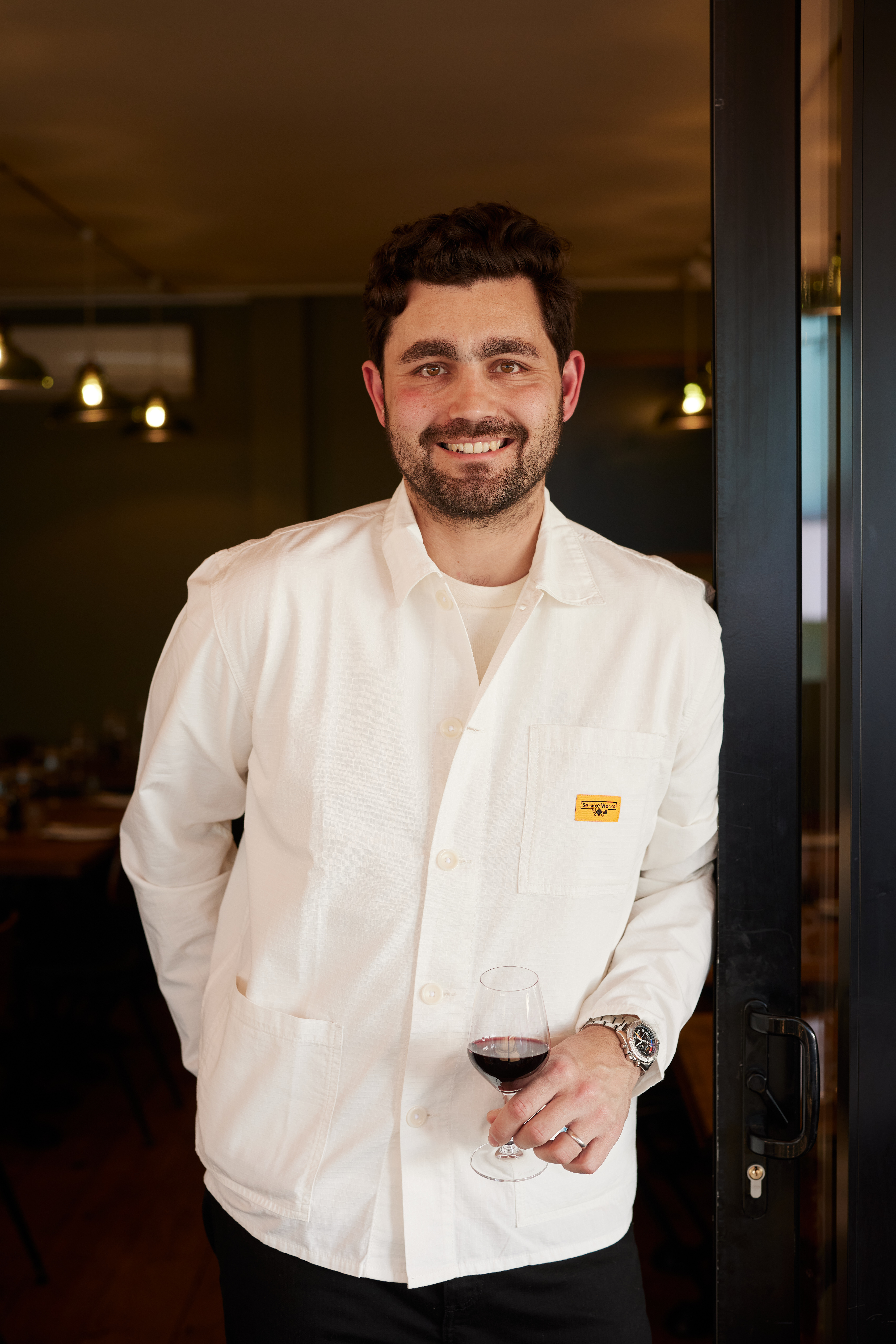
Most hospitality writing looks in from the outside. I'm still running shifts at BANK and Lapin in Bristol. That makes the writing more honest.
Still running shifts. Still honest about it.
I came to hospitality through coffee: the floor, training, wholesale, and competing in barista championships. Moved to Bristol in 2019, and when Covid ended my role at Colonna, I opened BANK on Wells Road in Totterdown. Lapin followed a few years later on Wapping Wharf.
Most of what I write comes from still running shifts — the economics of independent restaurants, staffing decisions, UK hospitality policy, and what actually makes a room work. A monthly column for Country Living, another for Bristol Life, and Notes on a Napkin on Substack.
I'm interested in the gap between how the restaurant industry presents itself and how it actually operates. And in the people who close that gap every service.
Better articulated than any thought leadership I read from my colleagues working with the hospitality sector. Well written. Well argued.
Urvashi Roe — Former Director, Big Four Consultancy · on Notes on a Napkin
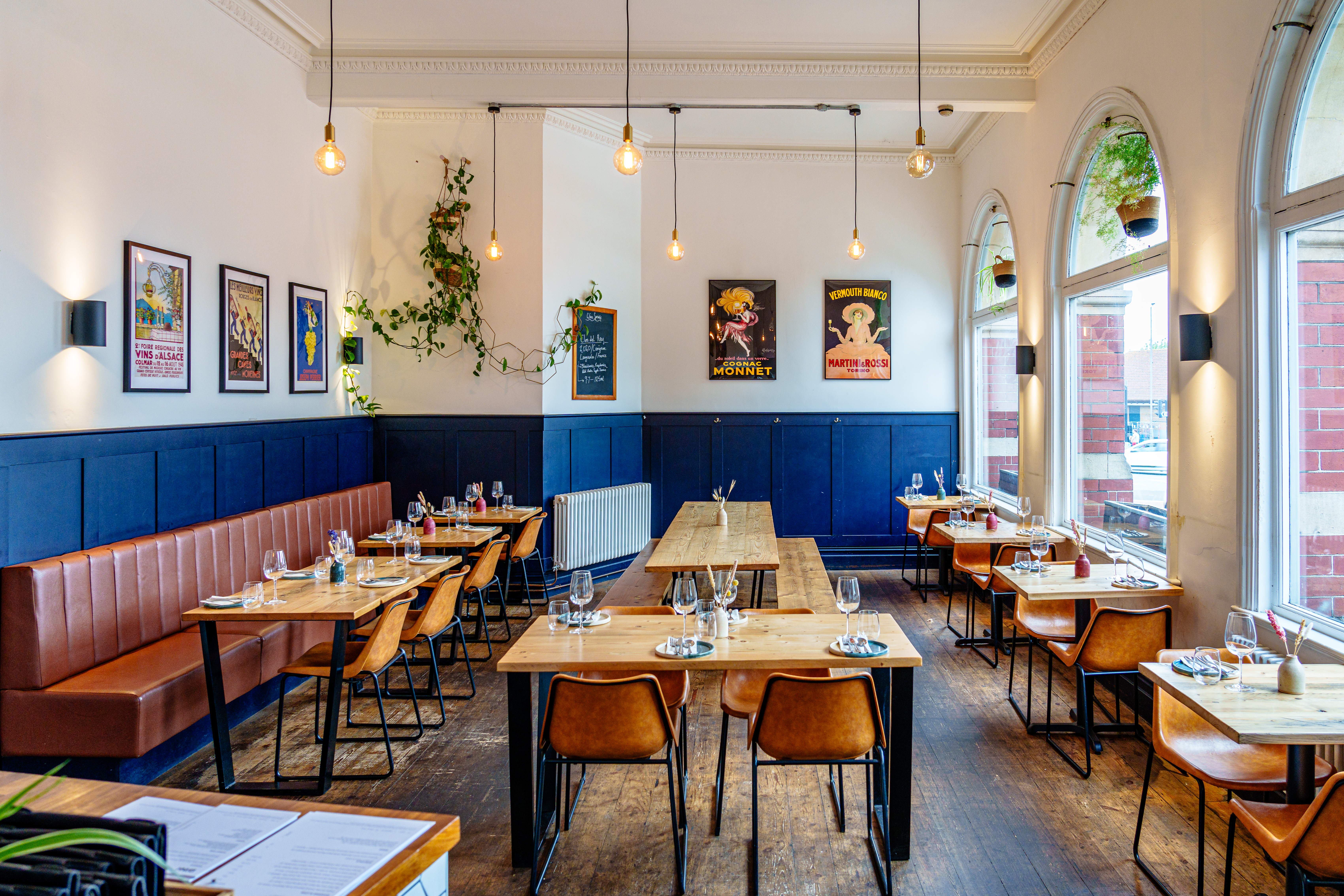
BANK in Totterdown and Lapin on Wapping Wharf. Two very different rooms running on the same idea: good food at honest prices, and a team worth looking after.
Visit the restaurantsA monthly column for Country Living, another for Bristol Life, and Notes on a Napkin on Substack. Writing that comes from still running shifts, not looking back from a distance.
Read the workPanels, broadcast, podcasts, and live appearances on restaurant economics, hospitality culture, people and retention. Represented by DML Talent.
Speaking topicsEssays on restaurant economics and culture, a monthly column for Country Living, and a column for Bristol Life — all written from inside two working restaurants. Read all writing.
A worked example of what two tables actually make a restaurant — from the £29 prix fixe to the £200 celebration dinner. The numbers are not what you think.
Read the essayOn the gap between having an opinion and having earned the right to one — and what the internet has done to both.
Read the essayOn the two kinds of full, and why the best meals end with the guest already planning when to return.
Read the essayBring customers in and help them understand the opaque inner-workings of a frequently misunderstood industry.
Jimi Famurewa — The Counter, Broadsheet London · named alongside Fallow and The Dusty Knuckle
I'm still running shifts, which tends to be useful on a panel. Most hospitality voices speak from memory. I'm speaking from this week.
I talk about restaurants in plain language: the economics of a room and the pricing decisions that look obvious until you're actually making them.
I'm represented by DML Talent for broadcast, speaking, and live appearances.
For broadcast, speaking, and live appearances, DML Talent are the people to contact. For writing commissions, drop me a line directly.
Contact DML TalentThe economics of restaurants are misunderstood. Explaining them honestly is a form of respect for the guest, not an apology.
The best retention tool is a fair, predictable working environment. The basics — predictable shifts, fair pay, room to grow — matter more than most operators admit.
Technique is a tool, not a destination. The job is to help an ingredient express itself clearly.
A list should communicate clearly what a wine tastes like and why it belongs. Wine is not an examination.
The account of a failure is more useful than a polished success. Most panels avoid this subject. I don't.
A fire-led neighbourhood restaurant on Wells Road in Totterdown. Seasonal cooking, a room that feels settled, and a lot of familiar faces.
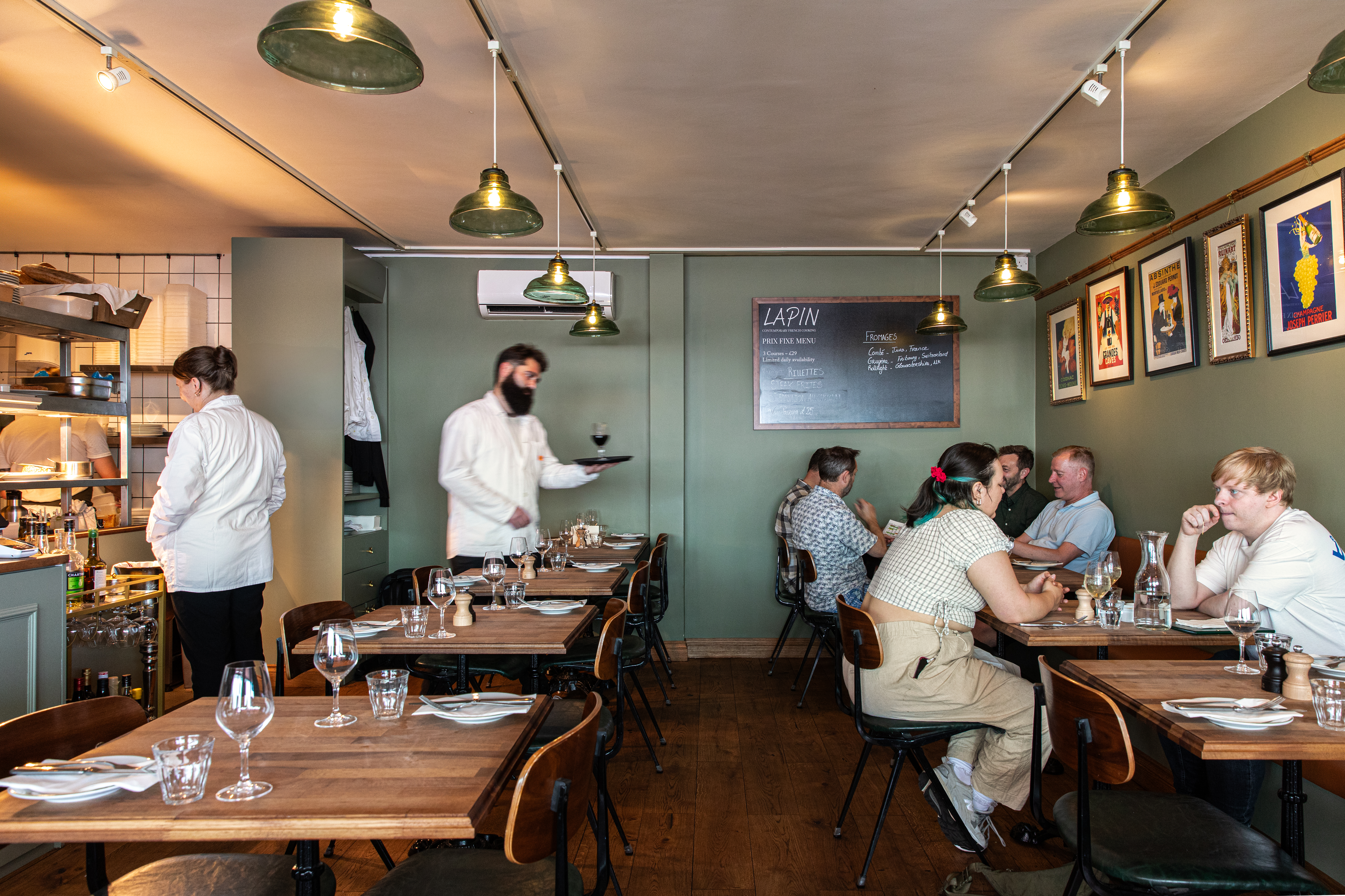
A French-leaning room in a shipping container by the water. Smaller and quieter, with a menu that takes its time.
A menu that could thaw the iciest of hearts.
Grace Dent — The Guardian · review of Lapin, Bristol
Service notes, producer visits, things that didn't go to plan, and the economics behind a good night out, written without jargon. Three or four times a month. Most issues free.
Read Notes on a NapkinI write about the reality of running restaurants. Not from a study. From the shift.
If you're working on something about restaurants — the economics, the culture, the people inside them — I'd love to hear about it. I write from inside a working restaurant, which means better access, more honest numbers, and a perspective most writers can't get to. I take on a small number of commissions alongside the restaurants — so if the brief sounds interesting, it's worth getting in touch.
For broadcast, speaking, and live appearances, DML Talent are the people to contact.
Pitches and early conversations welcome.
Commission a pieceI respond to all commission and press enquiries within two working days.
Country Living and Bristol Life already know what a regular column looks like. Happy to talk about what that could look like for you.
On restaurants, hospitality, and the industry behind a good night out. I'll bring the access, the figures, and a view from the floor.
Broadcast and speaking via DML Talent. For background or a quote, just drop me a line.